
In every corner of the world, millions of believers follow Jesus at great cost. The persecuted church is made up of Christians who face pressure, discrimination, and violence because of their faith—yet they remain steadfast in hope. Open Doors’ World Watch List highlights the 50 countries where persecution is most severe, revealing places where the gospel is suppressed and many live in deep spiritual bondage, separated from the hope of Christ.
More than 380 million Christians experience significant persecution, with 310 million in the top 50 countries facing very high or extreme levels of opposition. This year, we commit to praying for the twelve nations where persecution is most intense—not only for believers who suffer, but also for those who persecute them. Scripture calls us to remember those in prison as though we ourselves were suffering (Hebrews 13:3), and Jesus calls us to pray for our enemies, trusting that the same gospel resisted in these places is powerful enough to save.
As we pray, we ask God to strengthen His people, soften hardened hearts, and bring freedom to those bound by fear and deception. Stand with the persecuted church through prayer, awareness, and faithful hope as we ask God to sustain His church and advance the gospel—even in the hardest and darkest places.
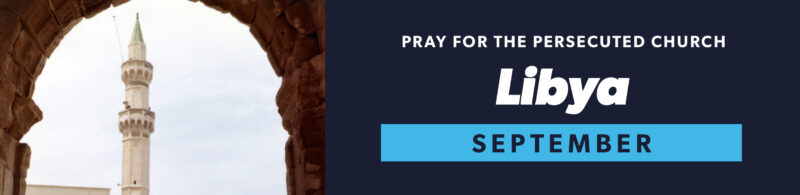
A Prayer for Libya
Lord, it seems like the situation in Libya never improves. We grieve for our brothers and sisters who risk death just for following Jesus, and we lament with them that the situation is so dire. We know You are a God of hope who can accomplish the impossible, so we boldly ask You to bring about a change this year. Bring Libyans to the knowledge of Your saving love and grace, and help Libyan Christians find safe fellowship. In Jesus’ name, Amen.
Who Is Most Vulnerable to Persecution?
Christians are in danger everywhere in Libya, but particularly where violent Islamic extremists are active. The few converts from Islam are also extremely vulnerable and are forced into the shadows. Migrant Christians from sub-Saharan Africa face discrimination for their ethnicity. If their faith is discovered, they are in even greater danger.
How Can You Pray for Libya?
- Violence in May 2025 rocked Libya’s capital, Tripoli, serving as a stark reminder of the country’s instability. Ask God to make a breakthrough – that the rule of law could come to this nation that has been mired in chaos.
- There are very few Christians in Libya, and if they’re discovered, they could be targets. Pray that these believers could follow Jesus in safety and find fellowship.
- Migrant Christians can be targeted both for their faith and their work status. Ask God to protect them.